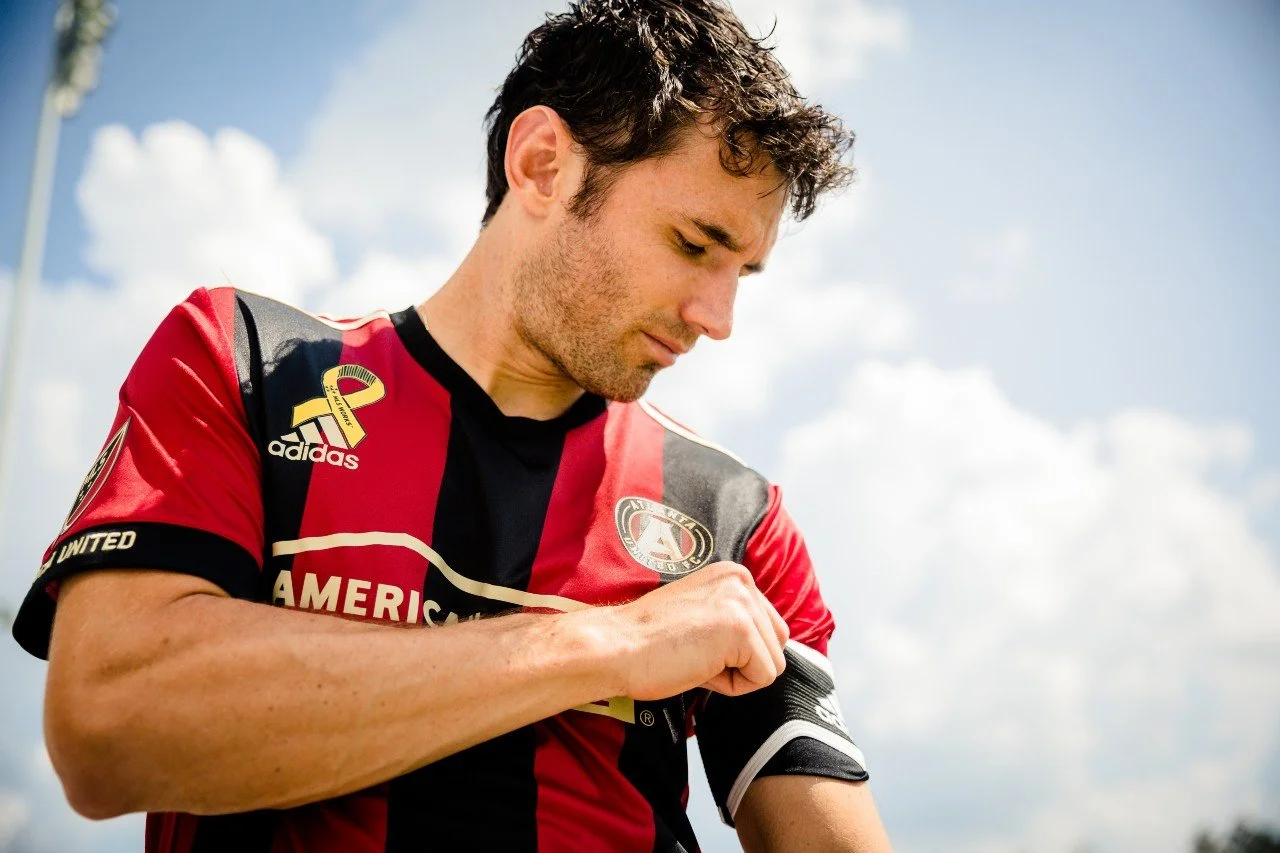
Class of 2028 -- What You Need to do to Get Recruited to Play College Soccer

If you’re a sophomore in high school, this is your year to start planting the seeds for college recruitment.
That means making sure you’re on track towards meeting the academic and athletic standards of the schools on your list, while also preparing for the actual recruitment process. This is when you’ll begin building relationships with coaches, and putting your elite skills, athleticism, and character on display for the world to see.
With this in mind, here’s where you need to be in three key areas by the end of your sophomore year:
Academics
College soccer is out of the question if you fall short academically. So, the best way to start preparing for college recruitment is keeping your GPA and general academic standing in a good place.
The higher your GPA, the more options you have. Many schools prefer a 3.5 or higher, so we recommend keeping it there as your target. Don’t forget – if a coach is looking at two players with the same skill level, they will prefer the player with the better grades (everything else being equal). It’s also a good idea to research each school’s core academic requirements, so you can be sure to fulfill them throughout your high school career.
Athletic Development
If you want to meet college level athletic standards, it’s time to get serious about your athletic development. In other words, getting better and becoming a more well-rounded athlete are now your top priorities in your soccer journey.
Are you identifying your weaknesses and improving them? Are you improving your strength, stamina, and cardiovascular health just as rigorously as your technical skills? If you’re not sure, you may want to consider whether your current club is up to speed with your needs, and that includes the amount of effort the club devotes towards college exposure.
Another question might be, are you consistently challenging yourself? One way to do this is learning to play another position. College soccer is going to be full of unforeseen challenges, and playing multiple positions teaches you to adapt to an unfamiliar situation by studying it like a true professional – and makes you more valuable in the recruitment process. Speaking of which…
Starting the Recruitment Process
Step one in this area is registering with the NCAA Eligibility Center, which confirms that you meet the basic academic qualifications to play college sports at a Division I or Division II school and that you’re academically prepared for college coursework.
Once that’s out of the way, the next step is creating your highlight reel, which is a collection of video clips showing your best moments on the field. The idea is to paint an accurate picture of your overall playing style in possession, out of possession, and in transition. So, you’ll want to include clips demonstrating your mastery of your position (and the various skills it requires). Your highlight reel is your intro to a coach – if they like what they see, they’ll be more inclined to watch you at a showcase and pay attention to you at an ID camp they’re putting on.
You’ll continue to update your highlight reel during your junior year. But the earlier you introduce yourself to coaches, the better. Division I and Division II college coaches are not able to reach out to until the 15th of June after your sophomore year. However, that shouldn’t stop you from getting on their radar with an introductory email expressing your interest in their specific college program before then.
In addition to your highlight reel, the email you should feature basic information and statistics, such as:
· Club team name and coach
· Height and weight
· Right-footed/left-footed
· Jersey number
· Positions You Play
· High School You Attend & GPA
A few weeks later, email them again about the showcases you’ll be attending as soon as they’re confirmed. Include the name of your team for the showcase and your team’s schedule.
When you’re sending coaches these emails, pay attention to their team’s schedule. For example: if you are emailing while they are in the NCAA tournament, they are less likely to see it.
Attend 1-2 ID Camps
Sophomore year is a pivotal year because in the eyes of coaches, this is the age when they are starting to look at your recruiting class. If you haven’t already, now is the time to find at least one ID camp in your region. You’ll get direct exposure to college coaches while testing yourself against top tier competition.
There is a lot of commentary about how valuable ID Camps are and it’s important to look at them realistically – the fact is, ID Camps are a key way coaches generate revenue for their staff. The door will always be open to attend an ID Camp, which is why it isn’t a guarantee you get a look from a coach just from attending.
If you’re targeting a DI program, play for a high level club team, (MLS Next/ECNL on the boy’s side, ECNL/GA on the girl’s side), and have been sending highlight reels and regular email updates to those coaches, the ID Camp they’re putting on can be a great chance to really get on their radar. If you’re not ticking all of those boxes, it isn’t to say you are unable to play at that level – only the ID Camp might not be as valuable to you as it is to them.
But finding 1-2 ID Camps close to you where you have been sending regular communications to the coaches can give you a feel for what ID Camps are like and get you on their radar.
At Beyond Goals Mentoring, we know how intimidating and chaotic the college recruitment process can be. That’s why we’re dedicated to guiding young athletes through each step, from building a highlight reel to emailing coaches to elevating their game to the college level. Mindset coaching can also help young athletes deal with the emotional toll of this process, and the physical and mental stress of balancing soccer with academics.
So, if your athlete wants to play college soccer but doesn’t know where to start, check out our college pathway and learn how we can help. If you want to set up a quick call to learn more, fee free to contact us.
Related reading: Class of 2029 -- What You Need to do to Get Recruited to Play College Soccer · How to be Recruitable For College Soccer Coaches · How to get scouted to play college soccer?