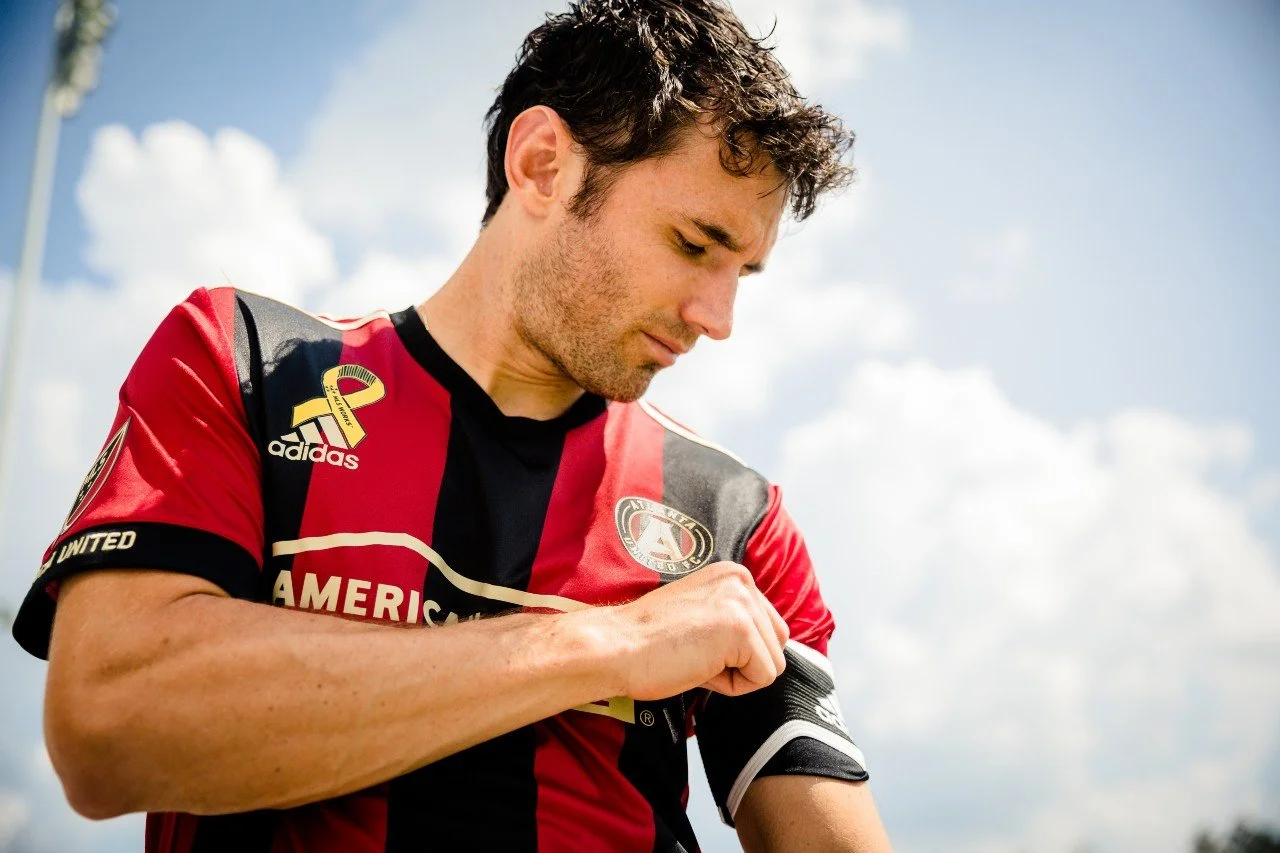
Division I vs. Division II vs. Division III Soccer: Which Path is Right For Your Athlete?
A player we worked with had a real offer on the table: a Division II program with genuine playing time and a strong academic scholarship attached. He turned it down to keep chasing a spot at a Division I school. That D1 spot never materialized.
Another player we worked with took a DII offer, had an amazing freshman year, and got interest to transfer to multiple D1 programs…but he loved where he was too much and wanted to stay.
There is a cost of a belief a lot of families carry into recruiting without examining it: that D1 is the goal, and everything else is a consolation prize. It's not true, and it's actively costing players real opportunities.
What Actually Changed at the D1 Level Recently
It's worth understanding how much has shifted at the D1 level in ways that matter for this decision. Division I programs that opted into the recent House v. NCAA settlement are now capped at 28 roster spots for soccer — a real reduction from what were often uncapped or loosely-capped rosters that included walk-ons in the past. Fewer roster spots per class means more competition for each one, not more opportunity.
On top of that, the NCAA D1 Council approved a new "5-in-5" eligibility rule in June 2026 — an age-based model giving athletes five years of eligibility on a clock that starts the year after they turn 19, or when they enroll, whichever is earlier. It's D1-specific, phasing in gradually, and it's expected to keep more experienced players on rosters longer in some programs, which could mean fewer open spots for incoming recruits at those schools.
Of course, none of this makes D1 a bad option. It does make it a more competitive and more crowded one than it was a few years ago — which is another reason why D2 and D3 deserve a serious look, not a fallback glance.
Division I
D1 is the highest level of competition in college soccer, and it comes with real demands: heavy travel, a time commitment that often functions like a full-time job alongside a full course load, and higher pressure. Go in with clear eyes about what the day-to-day actually requires, not just the name on the jersey and bragging rights.
Division II
D2 soccer is still highly competitive — plenty of programs produce excellent players and have gone on to professional careers. To be honest, we wouldn’t be surprised if the top D2 programs consistently beat below average D1 schools. Athletic scholarships are available and aren't capped the same way D1 rosters now are. The overall time commitment tends to be a bit more balanced between academics and athletics than D1, and recruiting timelines can be slightly more flexible. The idea that D2 means lesser competition is one of the more persistent myths in recruiting — it's often just a different balance, not a lower level.
Division III
D3 offers no athletic scholarships, but academic and need-based aid is common and can be substantial — sometimes more valuable than an athletic scholarship elsewhere. The time commitment is typically the most balanced of the three, and D3 schools are often strong academically. For a player who genuinely loves the game but doesn't want it to consume their entire college identity, D3 is a real, competitive path to keep playing at a high level while building a fuller life around it.
How to Actually Decide
A practical way to work through this as a family: get an honest read of your athlete's current level relative to their actual target programs, not their aspirational ones. When you’re looking at D1 programs, go through their roster and see where they were playing youth ball. If they were all at MLS academies or ECNL teams regularly competing for national championships – that’s their recruiting pool. If you play against some of the clubs mentioned, that’s the level they are recruiting at.
Regardless of the level of club ball, make sure to make half your college list non-D1 schools unless you’re regularly in the Youth National Team setup.
Weigh academic priorities and preferred school size and environment. Look at the financial reality — athletic scholarships versus need-based aid can change the math significantly, and a strong D3 academic aid package can outweigh a partial D2 athletic scholarship once you run the numbers. And be honest about how much of college life your athlete actually wants soccer to occupy.
It helps to have this conversation with someone who isn't emotionally invested in one particular outcome — a coach or mentor outside the family can often see fit more clearly than a parent who's been dreaming about a specific program for years.
Where This Leaves You
Back to the player who turned down a real D2 opportunity chasing a D1 spot that never came — that's the cost of treating division as a prestige ladder instead of a fit question. The right division is the one where a player actually plays real minutes, develops, and builds a college life they're excited about, not the one with the most recognizable name on the front of the jersey.
At Beyond Goals, part of our mentoring work is helping families build an honest, realistic picture of fit across all three divisions — not just chase the most prestigious offer available. If that's something your family could use, we'd love to talk.
Frequently Asked Questions
-
For most positions, yes, at schools that opted into the settlement — fewer roster spots per class means D1 coaches are being more selective earlier in the process. It doesn't mean D1 opportunities are gone, but D2 and D3 deserve a more serious look than they may have gotten in past recruiting cycles.
-
No. The right fit depends on far more than talent alone — academic goals, time commitment, financial aid, and personal priorities all factor in. Plenty of players who could compete at D1 choose D2 or D3 for reasons that have nothing to do with ability.
-
No. The 28-player roster cap and the 5-in-5 eligibility rule both apply specifically to Division I programs. D2 and D3 operate under their own separate rules.