How to Stay Motivated When Dealing with an Injury
High-level soccer players are always growing. They know that if they want to play in college or go pro, their skills and athleticism need constant improvement.
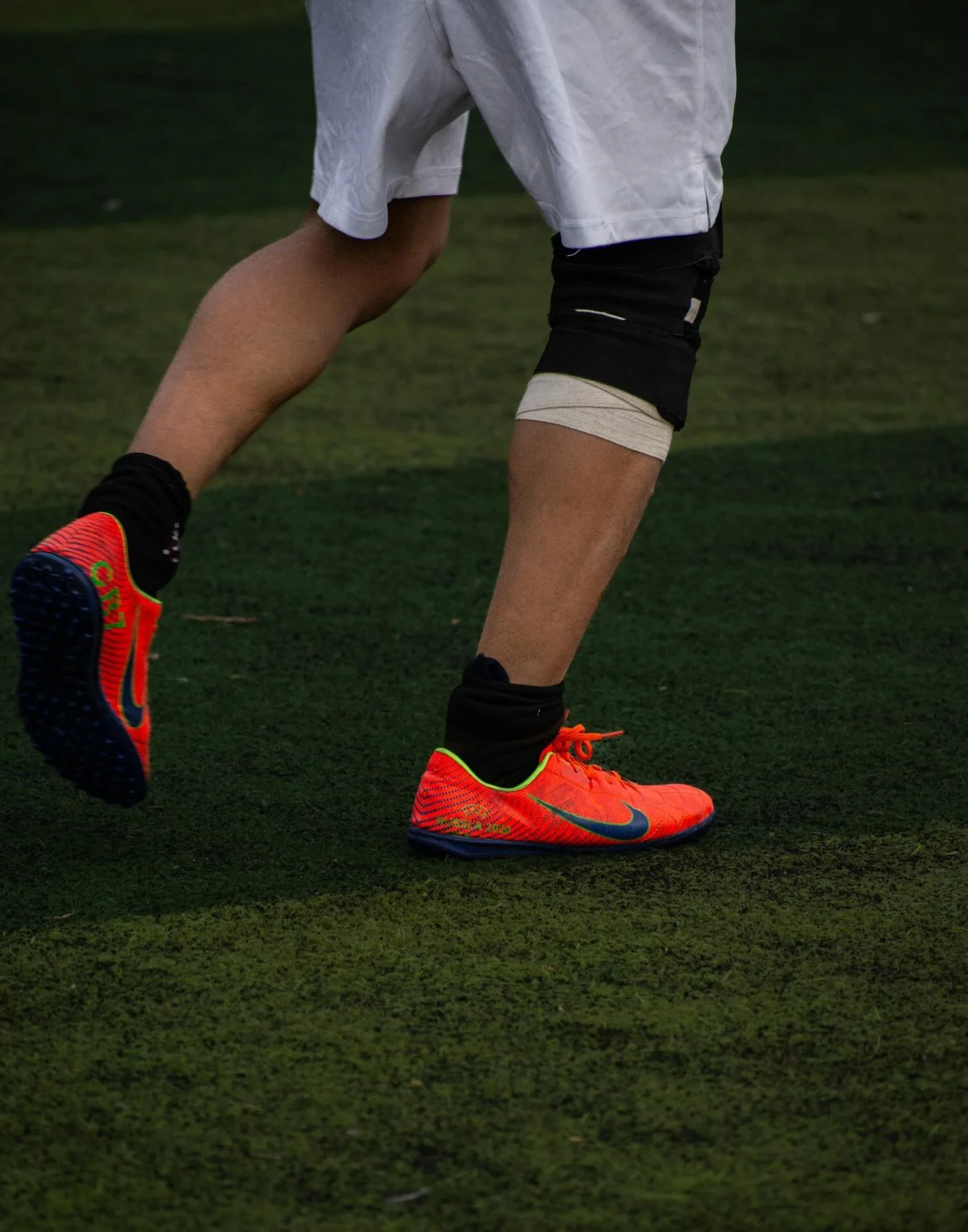
So, when a determined young player finds out they can’t engage in strenuous physical activity for months on end, it’s not just an inconvenience – it can feel like their life has derailed. Injuries bring their hard-earned physical progress to a startling halt. It’s only natural to feel like their chances of reaching their long-term goal have shrunk, if not disappeared completely.
Of course, this couldn’t be further from the truth. In fact, getting injured could turn out to be a valuable moment in their soccer journey.
Here’s how to keep them focused on their goals and continue making progress after getting injured:
Remind Them That Their Goals Are Still Within Reach
Setbacks are an inevitability in high-level sports. Every player (yes, literally every single soccer player on the planet) faces some form of adversity, whether it’s getting cut, getting benched, getting injured, and so on. Soccer just has a way of throwing these things at us, often at the worst possible times.
Speaking as former pros who have both battled injuries, we both learned very early in our careers that the ability to overcome adversity - time and time again - is what separates success and failure in sports.
So, while injuries are disheartening to say the least, it’s extremely important to remember that many elite players have been in this situation, and it hasn’t derailed them from reaching their goals. If they can do it, so can you.
If your injury requires rehab or physical therapy this is your short term “training.” Thus, approach like you would training - show up everyday with a good mindset, don’t skip reps or exercises and listen to your coach or in this case your PT. And remember that just like on the field, we won’t always see our improvements right away but that doesn’t mean the daily work isn’t making a difference - sometimes just a little more time and patience is needed to witness our success.
This is a great opportunity to build elite resilience. Knowing that you are continuously developing this invaluable tool is crucial for staying motivated during your recovery.
Focus on Improving Your Soccer IQ
Your physical abilities are just one aspect of your game. If you’re medically restricted from making progress in this aspect, it’s time to devote more attention towards the highly overlooked mental component, a.k.a. your soccer IQ. As any coach will tell you, lots of young players possess the physical requirements for success, but the mental requirements are few and far between.
Your soccer IQ is a reflection of your ability to make good decisions during play. How can you learn what a good decision looks like? By watching high-level players in your position. Thanks to video analysis services like BGTV, athletes can watch clips of high-level players in every position making good decisions in common situations and important parts of the match.
You Don’t Have to Face This Challenge Alone
Watching footage from video analysis services makes you a smarter soccer player, and you’ll feel it as your injury heals. You’ll gain a deeper understanding of the game and learn to anticipate outcomes that would have otherwise caught you off-guard. Better yet, you’ll be able to emulate the same tactics when you make your return and show your coach that you can handle setbacks like an elite athlete.
If you’ve never dealt with a long-term injury before, the emotions and negative thoughts that follow can be tough to bare. This is why more and more young soccer players are exploring mentorship. Finding someone to talk through who will listen to your struggles and offer advice of how to overcome your injury and come back as a stronger player can change your entire approach to the game.
Your mentor is also ready to shoulder the blow with you and gradually build your confidence back up with the same mental techniques that worked for them, when they faced adversity in their soccer journey.
So, if your athlete is struggling with a recent setback or could use some help with the mental component of sports, let’s set up a mentoring session today.