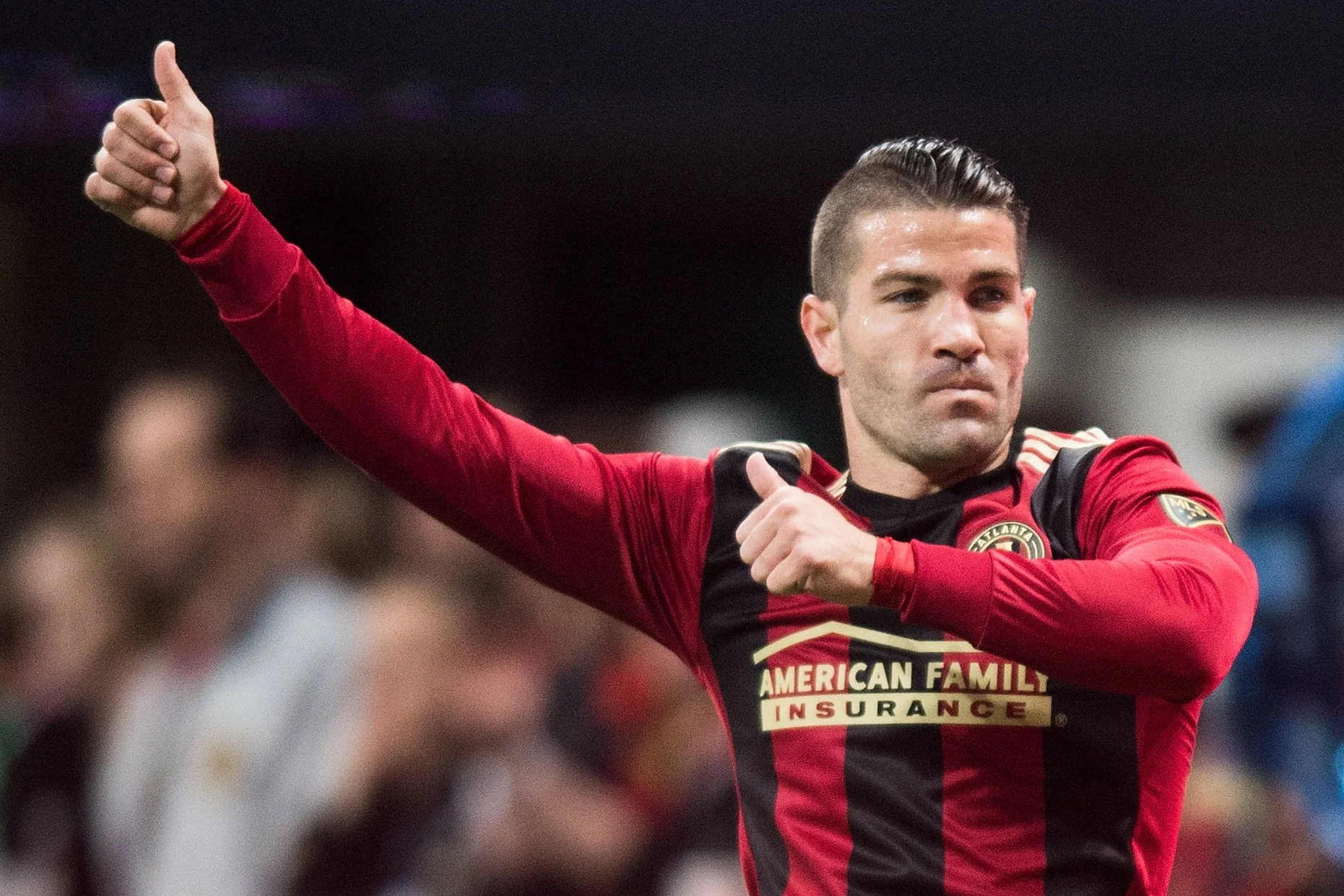
The Pre-Game Routine: How Top Youth Soccer Players Mentally Prepare to Compete
About an hour before kickoff in every game I played in, I had a ritual. Didn’t matter the stadium, the opponent, the stakes. I’d find a quiet moment and have an espresso.
Not because I read somewhere that caffeine improves athletic performance. Because I’d learned, through years of professional competition, what my body and mind needed to arrive at the opening whistle feeling sharp. Alert. Ready to compete. The espresso was part of a sequence I’d built and refined until it was automatic. I stopped thinking about it as a routine. It was just what I did before games.
Most youth players don’t have anything like that. They show up. They eat whatever. They warm up when the coach calls them over. Some feel good. Some don’t. They can’t tell you why the difference exists, because they’ve never built anything deliberate to find out. And that’s understandable – they’re kids.
The players who perform consistently — not just on their good days but game after game — have usually figured out what it takes to arrive at kickoff in the right state. Not necessarily calm. Not necessarily pumped up. Just ready. And “ready” is something you can build toward deliberately if you know what to look for.
This is the framework: three phases, one for each part of the pre-game window. What works inside each phase is going to be different for you than it was for me. The espresso is not the point. Learning what your body needs is.
Why a Pre-Game Routine Actually Matters
The obvious answer is that it helps you feel prepared. That’s true, but it’s the surface of it. A deliberate pre-game routine does two things most players don’t realize.
It Creates a Performance Trigger
When you repeat the same sequence of behaviors before every game, your nervous system starts to associate that sequence with competition mode. Over enough repetitions, the routine itself becomes the signal that it’s time to compete. The warm-up song. The pre-game meal. The moment you lace your boots a certain way. None of these things have magical properties. But if they always precede your best performances, your brain learns to treat them as a cue.
This is why professional players can look almost obsessive about their rituals. It’s not superstition…well, not completely superstition. Whether they admit it or not, it’s a trained response — a trigger they’ve built deliberately so that by the time kickoff arrives, their nervous system is already in the right place.
It Eliminates Decision Fatigue Before the Game Starts
Every decision you make on game day costs cognitive energy. What to eat. When to leave. What to listen to in the car. Whether to nap. How early to arrive.
A locked-in routine removes those decisions entirely. You stop making them because you’ve already made them — once, deliberately, outside of a game context — and now they just happen. The brain arrives at kickoff having spent less energy on logistics and more on preparation.
Phase 1: The Night Before
Sleep
The target for a teenage athlete is 8–9 hours. That’s specific for a reason — it’s the window where the body does the recovery and consolidation work that makes the next day’s performance possible.
There are two things that reliably wreck pre-game sleep for teenagers. The first is the phone in bed — the blue light delay that pushes sleep onset back 30–60 minutes without the player realizing it. The second is pre-game excitement or anxiety that spins the brain up instead of letting it settle.
Here’s a specific wind-down protocol for the 60 minutes before sleep on the night before a game:
Phone off or in another room at 60 minutes before your target sleep time. Not face-down. Out of reach.
Something low-stimulus: a book, light stretching, quiet music. Not a screen, not highlights, not a group chat.
Five minutes of the visualization protocol below. Not as a mental exercise. As a way to give your brain something to do besides spin.
Same sleep time every night during the season, game night or not. Consistency is what makes 8–9 hours actually feel like 8–9 hours.
Visualization
Visualization is not daydreaming about scoring the winning goal. That’s fantasy. What you’re actually doing is mental rehearsal — structured, specific, and sensory.
Here’s a basic 5-minute protocol you can run lying in bed:
Close your eyes. Picture the field — the specific field if you know it. The grass, the lines, the goal at each end.
Put yourself in the game. First touch of the match. Where does it come from? What does the ball feel like arriving at your feet? What decision do you make?
Run two or three specific situations from your position: a defensive duel, a pressing trigger, a moment of transition. See it unfold. Make the decision. Feel the body movement.
End on something you do well. Not a perfect play. Something you’ve done before in a real game that you know you’re capable of.
The sensory detail is what makes this work. If it’s just pictures in your head, it’s daydreaming. If you can feel the ball, hear the crowd, sense the space around you — that’s rehearsal. Your brain doesn’t perfectly distinguish between a vivid mental rehearsal and the real thing. Use that.
Mindset Reset
For players who struggle with pre-game anxiety, the night before is when it peaks. The brain runs worst-case scenarios. The body tightens up. Sleep gets harder.
The technique that works better than “think positive”: pull out your journal and read your last two or three entries. Not to manufacture confidence. To remind yourself of specific things you’ve actually done. This way you’re not just telling yourself you’re good. You’re showing yourself proof.
Phase 2: Game Day Morning
Nutrition
The goal of game-day eating is steady energy through the full 90 minutes — not a spike and crash. Simple framework:
Eat your main pre-game meal 3–3.5 hours before kickoff. Enough time to digest, not so much time that you’re running on empty by halftime.
Keep it familiar. Game day is not the time to try something new. Stick with foods your body knows.
Carbohydrates are your fuel: pasta, rice, bread, oats. Lean protein to sustain it. Low fat, low fiber — both slow digestion and can cause discomfort during play.
A small top-up snack — a banana, a piece of toast, a handful of crackers — 60–90 minutes before kickoff if you’re hungry. Keep it light.
Two common mistakes: eating too close to kickoff because nerves killed the appetite earlier, and skipping the meal entirely because “I’m not hungry.” Both leave you running out of fuel in the second half. Hunger in warmup is a warning sign you need to take seriously.
Physical Priming
Game day morning is not a training day. It’s an activation day. The goal is to get the body physically awake without creating fatigue.
A 15–20 minute morning activation sequence:
5 minutes of walking — outside if possible. Gets the blood moving without taxing the system.
Dynamic stretching: leg swings, hip circles, high knees, lateral shuffles. Moving warm-up, not static holding.
Light ball work: juggling, wall passes, simple touches. Not a training session. Just contact with the ball to remind your feet what they’re doing today.
Mental Priming
This is where the espresso comes back in — not as a recommendation, but as an illustration.
I knew that a shot of espresso about an hour before kickoff put me in exactly the mental state I needed: alert, sharp, slightly elevated without being anxious. I learned that through trial and error over years. Some of my teammates needed music — loud, aggressive, activating. Some needed the opposite: quiet, isolation, almost meditative. Some needed to talk. Some needed to be left completely alone.
None of those were wrong. All of them were deliberate.
Here’s the self-assessment question that starts building your own answer: Think about your best games. The ones where you felt locked in from the first minute. What did you do differently that morning? Most players can’t answer that question because they never noticed. Start noticing. The pattern in your best game days is the beginning of your routine.
Phase 3: The Final Hour
60–30 Minutes Before Warmups — Arrival and Physical Warm-Up
Arrive early enough to settle. Not just physically — mentally. A player who rushes in ten minutes before warmup starts already has a deficit to overcome.
The warm-up your coach runs has a purpose beyond injury prevention. It raises your core temperature, activates fast-twitch muscle fibers, and begins the shift from whatever you were doing before the game to competition mode. Take it seriously from the first step, not from halfway through when you finally feel warmed up.
What not to do in this window: static stretching before the body is warm — it doesn’t help and may reduce power output. Standing around talking about school. Arriving so late that you’re rushing the warm-up. Any of these leave you starting the game behind.
30–15 Minutes Before Kickoff — Mental Lock-In
The social window closes here. This is where focus narrows. Players who spend this window talking about unrelated things — their phone, last night, what’s for dinner after — arrive at kickoff in social mode, not competition mode. The first five minutes of the game will cost them that transition.
A specific lock-in protocol:
Find one moment of physical stillness. 30–60 seconds. Feet planted, eyes forward, breathing deliberate.
Run the box breathing sequence: four counts in, four hold, four out. Three rounds. This is your nervous system's reset.
One brief visualization: the first five minutes of the game from your position. One decision, made confidently. That’s it. You’re not running the whole game in your head. Just priming the first moment.
15 Minutes to Kickoff — The Final Switch
Everything in the last 24 hours has been building toward this. The moment where preparation becomes presence.
What readiness actually feels like — and this is worth knowing so you can recognize it when it’s there and chase it when it’s not: it’s not calm. It’s not pumped up. It’s present. There’s a quality of being fully in the moment, not ahead of it or behind it. The game hasn’t started, but you’re already in it.
Learn what that feels like in your body. What your breathing is doing. What your legs feel like. What your focus is doing. Because once you can identify it, you can start to reliably produce it.
Building Your Own Routine: The Only One That Works Is Yours
This is a framework, not a prescription. The espresso was mine. Your version might be a specific playlist, a certain meal, a quiet walk, a conversation with one specific person. The content doesn’t matter as much as the deliberateness.
Here’s the process for building your own:
Start with the three-phase framework. For each phase, write down what you currently do — even if the answer is “nothing deliberate.”
Test one specific change per phase for three games. Not everything at once. One thing.
After each game, note how you felt at kickoff. Not how you played. How you felt in the first five minutes. That’s the signal.
Keep what shifts the feeling toward ready. Discard what doesn’t. Build from evidence.
Repeat until the routine is automatic. You’ll know it’s working when you stop thinking about it.
The players I’ve worked with who develop an intentional pre-game routine don’t just perform better. They perform more consistently. The bad days get less bad. The good days become more reliable. That consistency is what coaches notice over a full season, and what college coaches and scouts are watching for when they evaluate a player.
Frequently Asked Questions
-
Depends entirely on you. Some players need activation — high-energy music that elevates arousal and sharpens focus. Some need the opposite — quiet, or ambient sound that keeps the nervous system from over-activating. The question to ask yourself: what were you listening to before your best games? If there’s a pattern, follow it. If there isn’t, experiment deliberately rather than randomly.
-
A good routine has a core — two or three non-negotiables — and a set of nice-to-haves. When disruption happens, protect the core. The visualization, the lock-in breathing, the mental state you’re trying to arrive in — those are portable. The specific timing or location is not. Know the difference before the disruption happens, not during it.
-
Three to five games of deliberate testing per phase. Not months — a few weeks of intentional attention. The key word is deliberate. You have to be actively noticing how you feel at kickoff and connecting it to what you did beforehand. Players who do that build a working routine in half a season. Players who just show up and hope take much longer, if ever.
-
Yes — and here’s the mechanism. Nerves come partly from uncertainty. When you don’t know what the next few hours are going to feel like, the brain fills that uncertainty with anxiety. A locked-in routine removes the uncertainty from the preparation window. You know what you’re eating. You know when you’re arriving. You know what the warm-up feels like. That familiarity reduces the cognitive load that feeds the anxiety spiral. You still feel the nerves — and you should, because they mean you care — but they’re not running the morning.