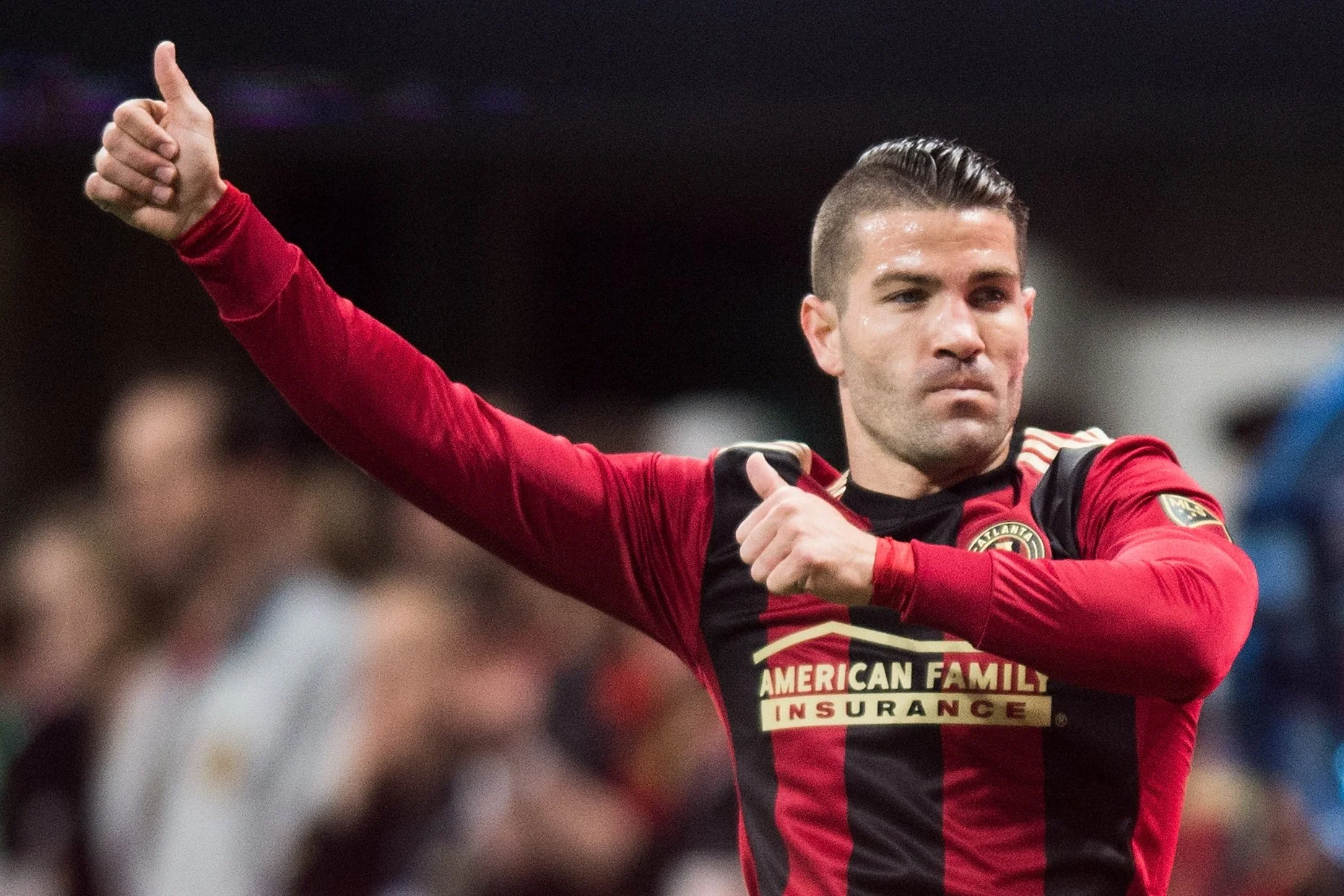
A mindset coach helps athletes with the mental side of their sport: confidence, focus under pressure, handling mistakes and setbacks, motivation and the emotions that come with competing. Where a team coach works on tactics and technique for a whole squad, a mindset coach works one-on-one on how a player thinks and reacts. For youth soccer players, that often means working with someone who has lived the same pressures at a higher level.
This post covers what a mindset coach does, which players benefit most, what a mentor who played at the top level adds, and how to tell whether your player could use one.
This post is part of our guide to the mental side of soccer.
What a mindset coach does
Most mindset coaching follows a similar pattern.
Understand the player's current thinking. The first sessions look at the beliefs and habits that shape how the player sees the game: how they talk to themselves after a mistake, what they think a "good game" is, what they're afraid of.
Set goals that belong to the player. Not the parent's goals or the club's, but what success looks like for this player right now, in specific terms.
Build tools. That might be a pre-game routine, a reset after mistakes, a way to replace negative self-talk with something useful, or a plan for a tryout or showcase.
Practice and adjust. The player uses the tools in training and games, then reviews what worked with the coach.
Mindset coaching isn't only for when things go wrong. Players who are doing well use it to stay steady, prepare for the next level and handle obstacles before they become problems.
Why youth players need it more now
Soccer is a game of constant decisions under uncertainty, and every player makes mistakes. The difference between good and great players is often how they handle that, not how much talent they have.
Team coaches know this, but most youth coaches have 18 or more players and limited time. They can't give each player the individual attention the mental side needs. Parents can help, but teenagers often won't open up to parents about soccer, and conversations about a bad game can turn into arguments. A mindset coach or mentor fills that gap.
Signs your player could use a mindset coach
They struggle to recover from mistakes. One bad touch turns into five, and they make the same error again because their head is still on the last one.
They lose focus in big moments. They're composed in training and tense in games, tryouts or showcases.
Their confidence rises and falls with results. A good game and they're flying, a bad one and they doubt everything.
They've lost motivation. They're focused so far ahead, on college or going pro, that they've lost track of why they play.
A setback has hit hard. An injury, getting cut, getting benched or being passed over by a club or college.
They hold self-limiting beliefs. "I'm not a big-game player." "I'm not good enough for that level."
What a mentor who played at a high level adds
A mindset coach doesn't have to be a former pro, but a mentor who played at a high level brings a few things that are hard to get elsewhere.
Credibility with the player. Young athletes are more likely to listen to someone who has been through what they're going through. When a former pro says every player they ever played with made mistakes and had bad weeks, it lands differently than the same words from a parent.
Mistakes in perspective. Players with high standards often treat mistakes as proof they aren't good enough. A mentor helps them see mistakes as part of playing soccer, not a sign of a bad game. That shift is what lets a player stay composed and keep competing.
More than one path. Ambitious players often picture an exact route: this club, that college, then pro, then the national team. Anything off that route feels like failure, whether it's an injury, getting cut or being passed over by a dream school. A mentor whose own career took unexpected turns can show them that there are many paths to the same goal.
Emotions are normal. Players see their favorite athletes celebrating on TV and assume great players always feel confident. They don't. A mentor can tell them, from experience, that every athlete feels anger, fear and disappointment, and that learning to handle those feelings is part of the job.
What to expect from the first few sessions
Most players start with a conversation about where they are: their club, their goals, what's going well and what isn't. With younger players, parents often join that first conversation, and later sessions are one-on-one so the player can talk freely. Early sessions tend to focus on one or two specific problems, such as nerves before games or a confidence dip after a benching, so the player gets something they can use right away. Progress shows up in small ways first: a quicker reset after a mistake, a calmer warm-up, a player who asks for the ball again. Over time the tools become habits the player uses without thinking about them.
Mindset coach, sports psychologist or mentor?
These overlap, but they're not the same. A licensed sports psychologist or therapist is trained to work with anxiety, depression and other mental health concerns, and is the right call when a player's struggles go beyond performance. A mindset coach or mentor focuses on performance and development: confidence, focus, routines, setbacks and goals. Many players benefit from a mentor for the soccer side and, when needed, a licensed professional for the rest.
How Beyond Goals works with players
At Beyond Goals, our mentors are former MLS players. We start by finding a player's "why," the part of the game they love, because that is what keeps players going through setbacks. From there we work on the habits and tools each player needs, whether that's building confidence, calming pre-game nerves or handling a benching. For more on how mentoring fits alongside a player's club coaching, see mindset coaching vs. traditional coaching.
If you think your player could use help with the mental side of the game, book an intro session and we can talk about where they are and whether mentoring is a good fit.
Frequently Asked Questions
-
A mindset coach helps players with confidence, focus under pressure, handling mistakes and setbacks, motivation and routines. The work is one-on-one and built around the player's own goals.
-
No. A licensed sports psychologist or therapist can treat anxiety, depression and other mental health concerns. A mindset coach or mentor focuses on performance and development. If your player's struggles go beyond soccer, talk to a licensed professional.
-
Many players start in their early teens, when competition and pressure increase. The right time is when a player is motivated to work on the mental side, not only when something goes wrong.
-
A private coach usually works on technique and fitness. A mentor works on the mental side of the game, such as confidence, routines, setbacks and decisions about clubs and college, often drawing on their own playing career.