What to Do if the Ref Keeps Making Unfair Calls
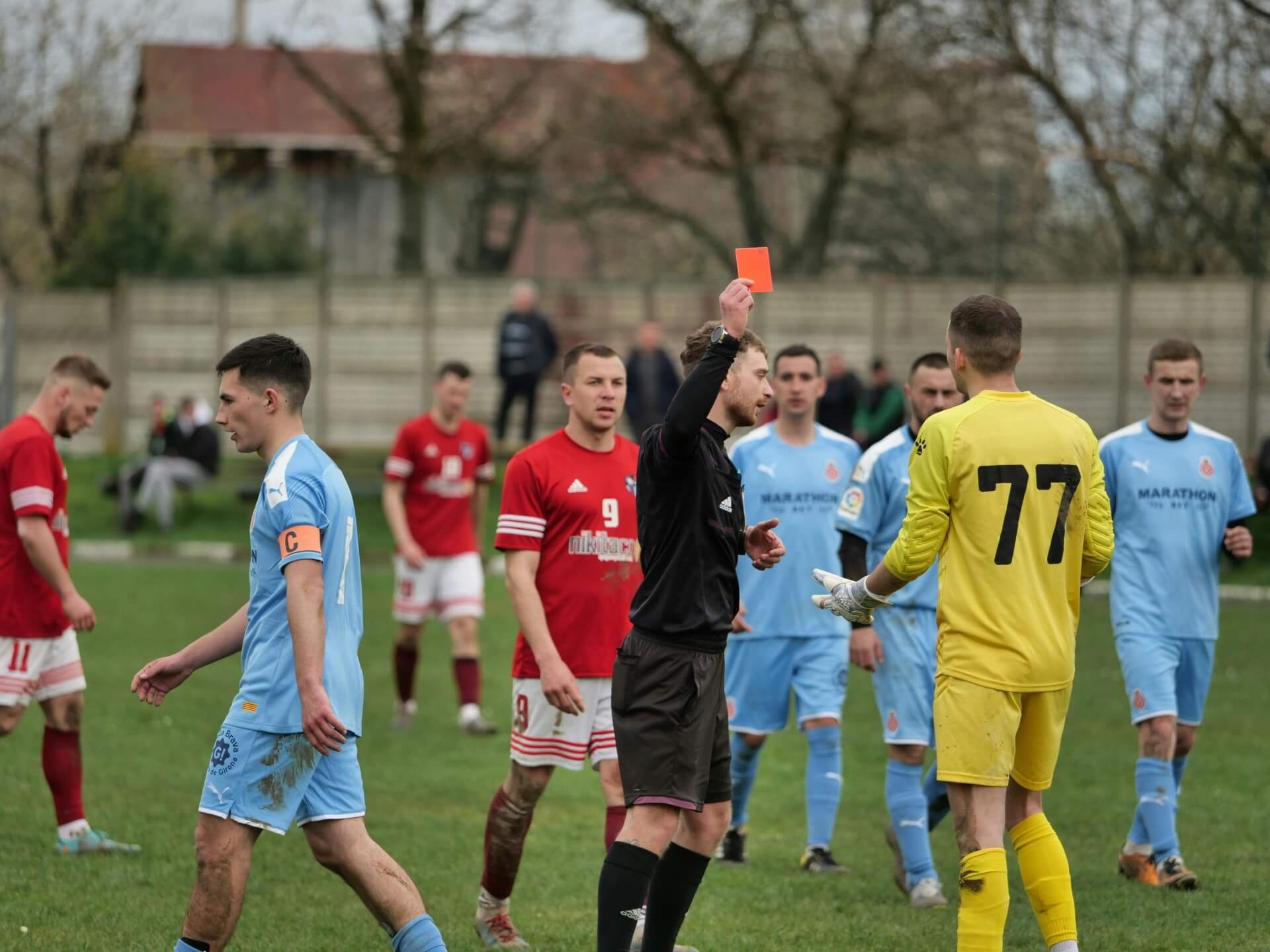
We’ve all been there: for whatever reason, any iffy call goes the wrong way. A ball deflects off your hand, handball. The same thing happens to the other team, play on. A little contact on a 50/50 ball and you get whistled. They swipe your teammate off their feet, it was a clean tackle.
How are you supposed to stay focused and play your game when it seems like the ref is on the other team? It feels unfair, and you’re right to be angry. But expressing this anger - especially at the ref - isn’t going to help your team.
Referees are Only Human
Mike has a great saying: “If soccer is a game of mistakes, why do we expect referees to be perfect?”
Referees are human beings, and humans are imperfect. And they have biases. You should try to get them to like you, but that isn’t always possible.
So, if you get the impression that a referee has unusually low or high standards for what’s considered a foul, you’re probably right.
But here’s the thing about referees. Though they may be biased, as far as the game is concerned, they’re never wrong.
The Referee’s Opinion is All That Matters
It doesn’t matter what actually happened, or what you think you saw. If the referee didn’t call a foul, there was no foul, and there’s nothing you can do about it.
Complaining about a call (or lack thereof) isn’t going to persuade the referee to change their mind, even if you are 100% sure the referee is making the wrong decision. Once they make their decision, this becomes the fact. Your opinion doesn’t matter because you’re not the ref. In fact, complaining will probably make the ref even more likely to make calls against you later in the game. Like we said, they’re only human.
How to Adapt to a Referee
By accepting the referee’s decisions - instead of thinking about what “should” have happened - you can pick up on their individual tendencies and notice which situations they’re more or less inclined to call. Empowered with this valuable information, you can then adapt your playing style accordingly. Instead of being surprised when the referee puts their subjectivity on display, you’ll use it to your advantage.
For example, let’s say a referee is less inclined to call a shoulder check than most other refs. This means it’s time to adjust how you go in for 50/50 balls and you can go in a little stronger instead of getting caught off-guard by the referee’s calls over and over again.
How to Talk To the Ref
But sometimes the call is inconsistent – the shoulder check they didn’t call for the other team is a foul for yours. Getting frustrated at the inconsistency is not going to help.
Instead, speak politely and referentially with the ref. Call them sir or m’am. Don’t complain right after a call goes against you with a whataboutism (‘They’ve been doing it all game!’), but let the ref know what the other team is doing after they do it next time: ‘Sir, that’s the third time s(he)’s checked me like that this game.’
When you get frustrated, grab a pinch of grass and then blow it out of your hands to let go of the frustration.
Helping Your Athlete Deal with Bad Calls
Unfair calls are frustrating, but so are injuries, miscommunications with your team, inclement weather, and all the other unforeseen obstacles soccer players deal with on a constant basis. How do elite players adapt to these obstacles? By accepting their inevitability. Adversity is a natural outcome of high-level sports, not a precursor to disaster.
At Beyond Goals Mentoring, we know how hard it is to keep your emotions in check after a setback, like an unfair call. That’s why we’re dedicated to helping young soccer players develop the ability to stay focused and relaxed when adversity strikes, so they can learn from the experience and adapt accordingly. As two former pros, we both learned very early in our careers that the ability to control your emotions in high-pressure situations is often the difference between a good player and a great player.
So, if your athlete has trouble controlling their emotions on the field, let’s set up a mentoring session today.