Why You Shouldn't Compare Yourself to Other Players
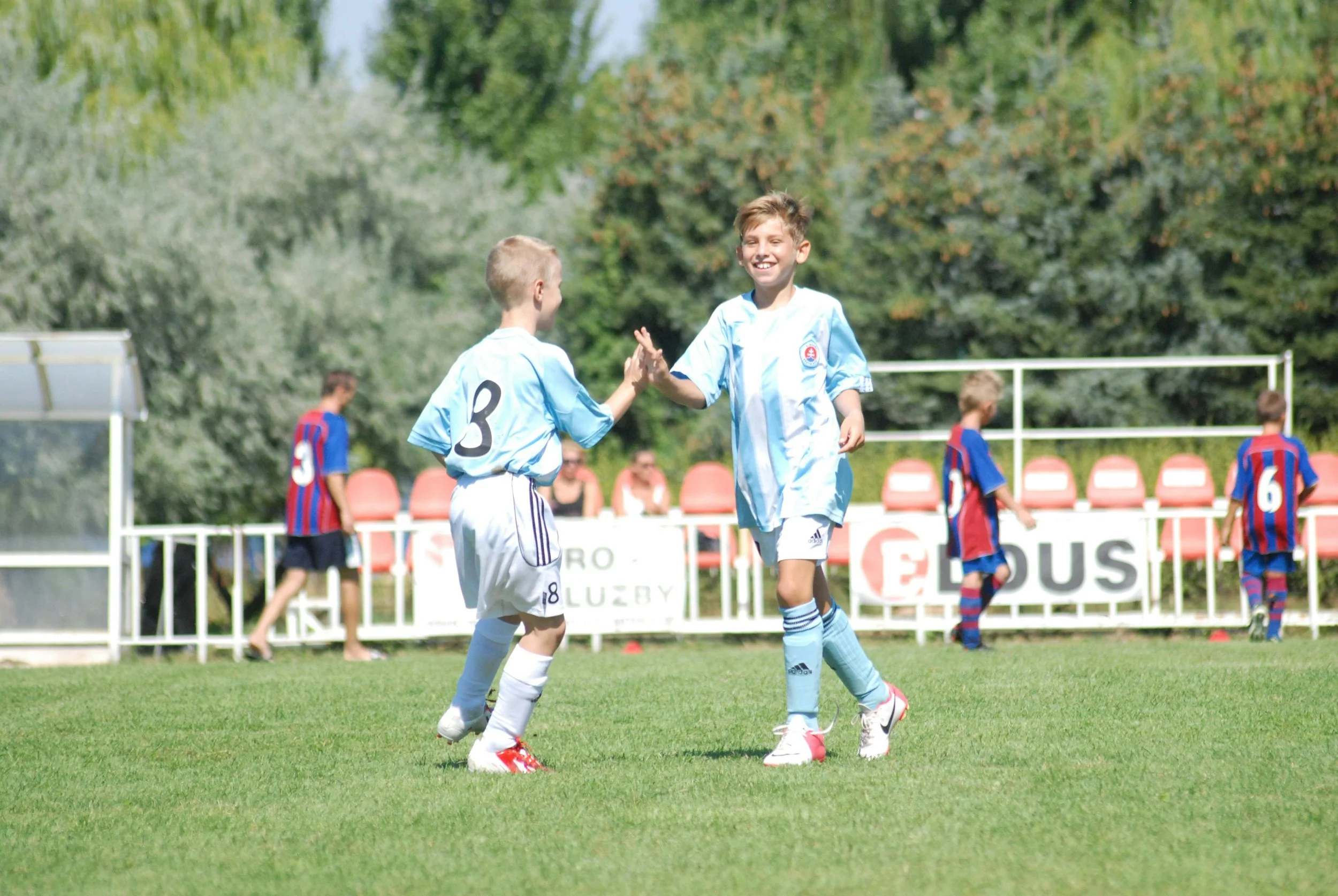
When you’re involved in a team sport like soccer, it’s only natural to compare yourself to your teammates.
There’s nothing wrong with teammates pushing each other to train harder. The danger is letting your teammates determine how you measure your skills and athleticism.
Throughout your career, there will be times when you’re the best player on your team – and there will be times when you’re the worst. Comparing yourself to your teammates might make you feel confident now, but it can actually end up hurting your development and setting you up for failure later on.
How Comparison Leads to Complacency
Great soccer players are always evolving. They didn’t become great by raising their skills and athleticism to a certain level and then staying complacent.
No player is perfect, and there’s always an aspect of how you play that could use improvement. Great players are constantly poking holes in their game so they can target the weakest aspects of their game and train as productively as possible.
When you feel like you’re the best player on your team and you’re comparing yourself to your teammates, your work appears to be done. You have no more weaknesses, and nothing about your training regimen needs to be changed.
Compete with Yourself, Not Your Teammates
The moment you believe your work is done, you put your future in jeopardy. Because the truth is, your work has only just begun. Even if you’re one of the best players on your team, the next level of competition is going to present a degree of adversity you’ve never seen before.
How can you prepare for these inevitable challenges? Well, one way is accepting adversity as an ongoing part of your life, and consistently incorporating adversity into your training.
Under this mentality, you don’t compare yourself to your teammates. You compare the current version of yourself to your previous self.
For instance, it doesn’t matter if you’re the fastest player on your team, or the best with the ball at your feet. You can always record a more impressive time in a 40-meter sprint. You can always get better at headers.
Competing Against Yourself Keeps Your Foot on the Gas
By continuously improving different aspects of your game, you prepare yourself for the ultra critical nature of high-level soccer. You won’t be caught off-guard when you move up a level and the competition is tougher.
Competing against your previous self also keeps you focused and motivated, so you can continue pushing yourself physically. Complacency does the opposite. You stop pushing yourself. But in high-level soccer, the work never stops. Self-improvement is a never-ending journey, and the sooner you accept that reality, the easier it will be to develop the same work ethic as your favorite soccer stars.
At Beyond Goals Mentoring, we understand that it’s hard to be prepared to deal with the highs and lows of the game at any age. That’s why we’re dedicated to helping young athletes develop the mental tools to stay focused on their long-term goals when adversity strikes, both on and off the field. We also teach our athletes how to establish a healthy relationship with training while getting plenty of enjoyment out of their sport.
So, if your athlete is struggling with a recent setback or could use some help with the mental component of soccer, let’s set up a mentoring session today.
Related reading: Stop Comparing Your Kid to Other Players on the Pitch · What to Do When Your Athlete Compares Themselves to Teammates Constantly · How to Recognize if Your Teenager's Confidence is Down